Separating tradition, science, and modern healthcare applications.
When people first hear the word Reiki, they often picture crystals, incense, or mystical healing rituals. While Reiki has spiritual roots, today’s Medical Reiki is increasingly finding a place within hospitals, integrative medicine programs, cancer centers, hospices, and private healthcare practices around the world.
So what exactly is Reiki?
Is it a form of massage? Is it religious? Does science support it? And what can someone realistically expect from a session?
This guide answers those questions using both the historical foundations of Reiki and the current understanding from clinical research.
What Is Reiki?
Reiki (pronounced ray key) is a gentle, noninvasive biofield therapy that originated in Japan in the early 1900s through Mikao Usui. The word combines two Japanese terms.
Rei means universal or higher wisdom.
Ki means life energy or vital energy.
Together, Reiki is commonly translated as universal life energy.
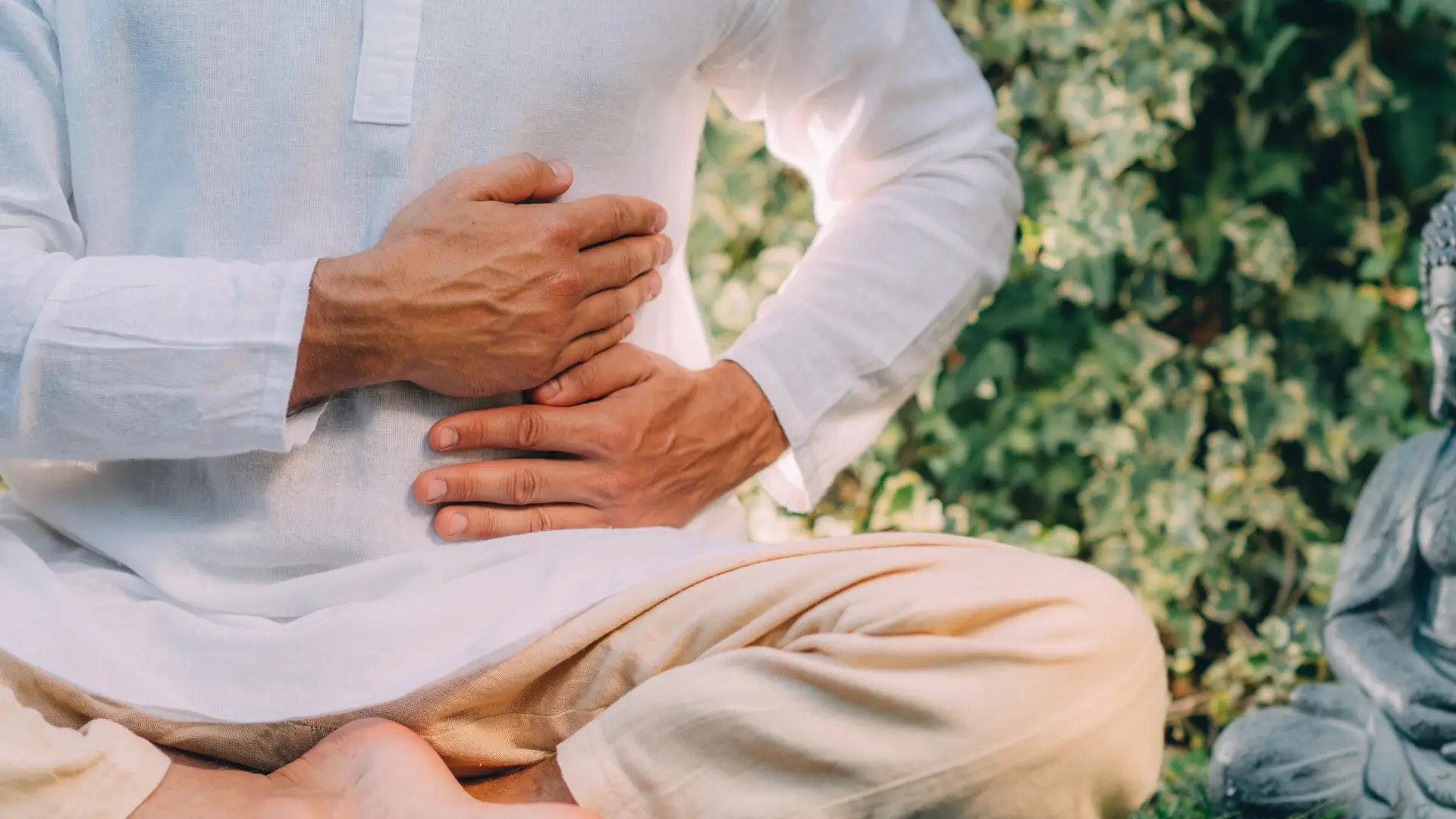
During a Reiki session, a trained practitioner lightly places their hands on or just above the body with the intention of supporting the body’s natural ability to restore balance and promote relaxation.
Unlike massage therapy, Reiki does not involve manipulating muscles or joints. Clients remain fully clothed throughout the session.
Is Reiki an Energy Healing Modality?
Yes.
Reiki is classified as an energy healing or biofield therapy.
The National Center for Complementary and Integrative Health (NCCIH) defines the biofield as a field of energy and information that surrounds and permeates living systems. While researchers continue investigating exactly how biofield therapies work, growing evidence suggests these therapies may influence physiological processes associated with stress, relaxation, and healing.
Rather than forcing change within the body, Reiki practitioners aim to create conditions that encourage the body’s own self regulation.
Think of Reiki less as healing someone and more as supporting the body’s natural healing processes.
How Does Reiki Work?
This remains one of the biggest questions in both science and healthcare.
The honest answer is simple.
We do not yet know exactly how Reiki works.
Several theories are currently being explored.
1. Activation of the Relaxation Response
The strongest evidence suggests Reiki helps shift the nervous system from sympathetic, often called fight or flight, into parasympathetic, often called rest and digest.
When this happens, the body may experience:
- Slower heart rate
- Decreased muscle tension
- Lower perceived stress
- Improved emotional regulation
- Enhanced feelings of wellbeing
Many researchers believe this shift within the nervous system explains much of Reiki’s observed benefit.
2. Biofield Interaction
Some scientists propose that Reiki influences the body’s biofield, an area of ongoing research that examines subtle energetic interactions within living organisms.
Although the exact mechanisms remain unknown, researchers continue studying whether these interactions affect cellular communication, inflammation, and healing responses.
This field is still developing, and additional high quality research is needed.
3. Therapeutic Presence
Another important component may simply be human connection.
A quiet environment, compassionate presence, focused attention, and intentional touch, or hands held just above the body, all contribute to a person’s sense of safety.
Feeling safe is essential for nervous system regulation.
This therapeutic relationship may be one reason many people report improvements in stress, anxiety, and emotional wellbeing following Reiki sessions.
What Does the Research Say?
Reiki should not be viewed as a replacement for medical care.
However, a growing body of research suggests Reiki may serve as a valuable complementary therapy, particularly for improving quality of life.
Studies have reported potential benefits including:
- Reduced stress
- Decreased anxiety
- Improved relaxation
- Reduced perception of pain
- Improved mood
- Decreased fatigue
- Enhanced overall wellbeing
Research is particularly promising in:
- Oncology care
- Palliative and hospice care
- Postoperative recovery
- Chronic pain management
- Caregiver support
- Healthcare worker burnout
Many hospitals now incorporate Reiki as part of broader integrative medicine programs alongside conventional treatments.
While results vary and more large scale clinical trials are needed, current evidence supports Reiki as a safe complementary practice when provided by a trained practitioner.
What Happens During a Reiki Session?
Every practitioner has a slightly different style, but a typical session follows this general structure.
Before the Session
You will briefly discuss:
- Your health history
- Current concerns
- Physical symptoms
- Stress levels
- Goals for the session
During the Session
You will lie comfortably on a treatment table while remaining fully clothed.
The practitioner places their hands lightly on or just above specific areas of the body using a series of gentle hand positions.
Most sessions last between 45 and 60 minutes.
Many clients report feeling:
- Warmth
- Tingling
- Heaviness
- Lightness
- Emotional release
- Deep relaxation
Others simply feel peaceful or fall asleep.
Some people notice very little physically during the session yet still report improvements afterward.
All of these experiences are considered normal.
After the Session
Many clients describe feeling:
- Calmer
- Mentally clearer
- Emotionally lighter
- Deeply relaxed
- More grounded
Some notice benefits immediately.
Others experience gradual improvements over several sessions.
Is Reiki Safe?
Yes.
Reiki is considered a very low risk complementary therapy.
Because Reiki is noninvasive and does not involve medications or physical manipulation, adverse effects are rare.
Reiki should never replace medical diagnosis or treatment.
Instead, it is best viewed as one component of an integrative healthcare approach that works alongside physicians, therapists, medications, physical therapy, and other evidence based treatments.
Always consult your healthcare provider regarding any medical condition or changes to your treatment plan.
Who Can Benefit From Reiki?
People seek Reiki for many different reasons, including:
- Chronic stress
- Anxiety
- Burnout
- Chronic illness
- Autoimmune conditions
- Pain management
- Recovery from surgery
- Cancer treatment support
- Grief
- Caregiver fatigue
- Sleep difficulties
- Emotional overwhelm
Reiki is also used by individuals who simply want dedicated time for relaxation and nervous system restoration.
Common Misconceptions About Reiki
Reiki is a religion.
It is not.
Although Reiki has spiritual origins, it is not associated with any religion and does not require any specific beliefs.
Reiki cures disease.
No.
Responsible practitioners do not claim Reiki cures illnesses.
Instead, Reiki is used to support relaxation, comfort, stress reduction, and overall wellbeing while conventional medical care continues.
You have to believe in Reiki for it to work.
Current research has not demonstrated that belief alone explains reported benefits.
Many clients approach Reiki with curiosity or skepticism and still report meaningful experiences. Like many complementary therapies, individual responses vary.
The Future of Reiki in Healthcare
As research into the nervous system, stress physiology, and biofield science continues to expand, Reiki is increasingly being studied within evidence based healthcare settings.
Today’s Medical Reiki practitioners strive to bridge traditional healing practices with modern clinical standards by emphasizing ethical care, informed consent, appropriate scope of practice, and collaboration with healthcare professionals.
Rather than replacing medicine, Reiki may offer an additional layer of support, helping patients feel calmer, more resilient, and better equipped to navigate physical and emotional challenges.
Final Thoughts
Reiki is best understood not as a miracle cure, but as a gentle, supportive practice that may help regulate the nervous system, reduce stress, and enhance overall wellbeing.
While science has not yet explained every aspect of how Reiki works, research continues to explore its role within integrative healthcare. For many individuals, Reiki provides something increasingly rare in modern medicine: dedicated time for stillness, compassionate presence, and intentional care.
Whether you are seeking relief from stress, navigating a chronic health condition, or simply looking to support your overall wellness, Reiki may be a valuable complement to your existing healthcare plan.
