
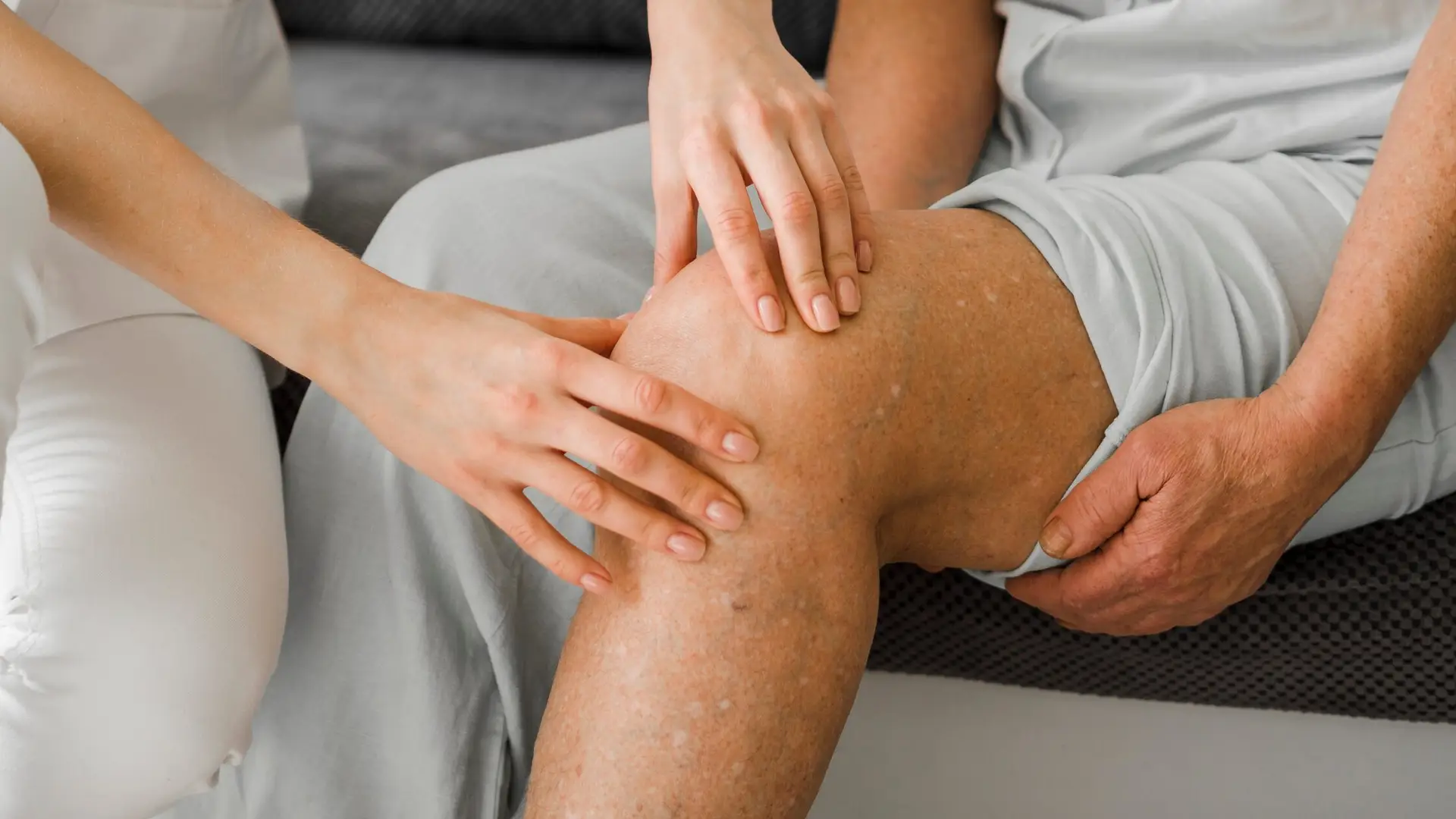
Pain is rarely as simple as an injury or a single diagnosis. Two people can have the same MRI findings, the same surgery, or the same medical label and still experience pain in very different ways. That’s because pain is not created by tissues alone… it’s interpreted and shaped by the nervous system.
Over the past two decades, researchers at major institutions have explored how stress, emotions, and nervous system regulation influence the way we experience pain. Their findings are reshaping the conversation around chronic pain and helping explain why complementary therapies like Medical Reiki may have an important role in whole‑person care.
What Pain Science Reveals
For many years, pain was viewed as a direct signal traveling from an injured body part to the brain. Today, neuroscience offers a more nuanced understanding. Pain is an experience the brain creates after processing information from the body alongside emotions, memories, stress levels, sleep quality, and even our sense of safety.
This means two people with similar injuries can feel very different levels of pain depending on what else is happening within their nervous system. It doesn’t mean pain is “all in your head.” It means pain is real and influenced by many interconnected systems… physical, emotional, and neurological.
The Stress–Pain Connection
When the body remains in a prolonged state of stress, the sympathetic nervous system—the “fight‑or‑flight” branch—stays activated. This response is incredibly helpful in true emergencies, but when it becomes chronic it can contribute to increased muscle tension, heightened pain sensitivity, poor sleep, fatigue, anxiety, and slower recovery.
Research has shown that reducing chronic stress and supporting nervous system regulation can improve how people experience pain, even when the underlying medical condition itself does not change. In other words, calming the system that interprets pain can shift the way pain is felt.
What the Research Suggests
Modern pain science is increasingly focused on the nervous system, not just damaged tissues. Studies of mind‑body and integrative approaches suggest that therapies which encourage deep relaxation (such as meditation, mindfulness, breathing practices, massage, and biofield therapies) can contribute to better pain coping and quality of life.
While individual results vary, many clinical programs report improvements in pain intensity, stress levels, anxiety, sleep quality, emotional well‑being, and daily functioning when these approaches are added to conventional care. Importantly, they are used alongside medical diagnosis and treatment, not in place of it.
Where Medical Reiki Fits
Medical Reiki is designed to support the body’s natural relaxation response and help the nervous system shift out of chronic “fight‑or‑flight.” During a session, many clients describe deep relaxation, reduced muscle tension, a sense of emotional calm, more restful sleep, and sometimes less awareness of pain.
From a scientific perspective, these experiences likely reflect changes within the autonomic nervous system rather than a direct cure for the underlying condition. Medical Reiki is not intended to treat or resolve arthritis, migraines, fibromyalgia, or other pain diagnoses. Instead, it may help create an internal environment where the nervous system feels safer and less reactive, which can change how pain is experienced day to day.
My Perspective
Living with rheumatoid arthritis has given me a personal window into this research. I’ve seen how stress can amplify pain and how supporting the nervous system can influence the way my body feels. Medical Reiki became one of the tools that helped me reconnect with my body during a difficult season, not because it replaced my medical care, but because it complemented it.
That experience shapes how I work with every client. I aim to offer a space where science‑informed understanding of pain meets compassionate, spiritually grounded support for the nervous system and the energy body.
Integrative Care and the Future of Pain Management
Healthcare is increasingly recognizing that effective pain care often requires more than medication alone. Many hospitals and integrative medicine programs now include complementary therapies that address stress, sleep, emotional well‑being, and nervous system regulation alongside conventional treatment.
Within this growing whole‑person model, Medical Reiki fits naturally as one option for supporting relaxation, resilience, and inner resources. It is not a substitute for medical care, but a gentle ally in a broader, evidence‑informed plan.
Final Thoughts
Pain is complex, deeply personal, and influenced by far more than injured tissues. As research continues to evolve, approaches that support nervous system regulation and whole‑person healing are becoming an increasingly important part of comprehensive pain care.
Medical Reiki is not about replacing medicine; it is about supporting the whole person, creating moments of calm, restoration, and connection to one’s inner wisdom while working in partnership with evidence‑based healthcare.
If you’re navigating chronic pain, autoimmune disease, or persistent stress, Medical Reiki may offer a gentle, evidence‑informed way to support your overall well‑being alongside your healthcare team’s treatment plan. I’d be honored to explore what this kind of care could look like for you.
“Pain may be complex, but you don’t have to navigate it alone. Medical Reiki offers a quiet space for your nervous system to soften, your energy to rebalance, and your spirit to feel supported.”
